
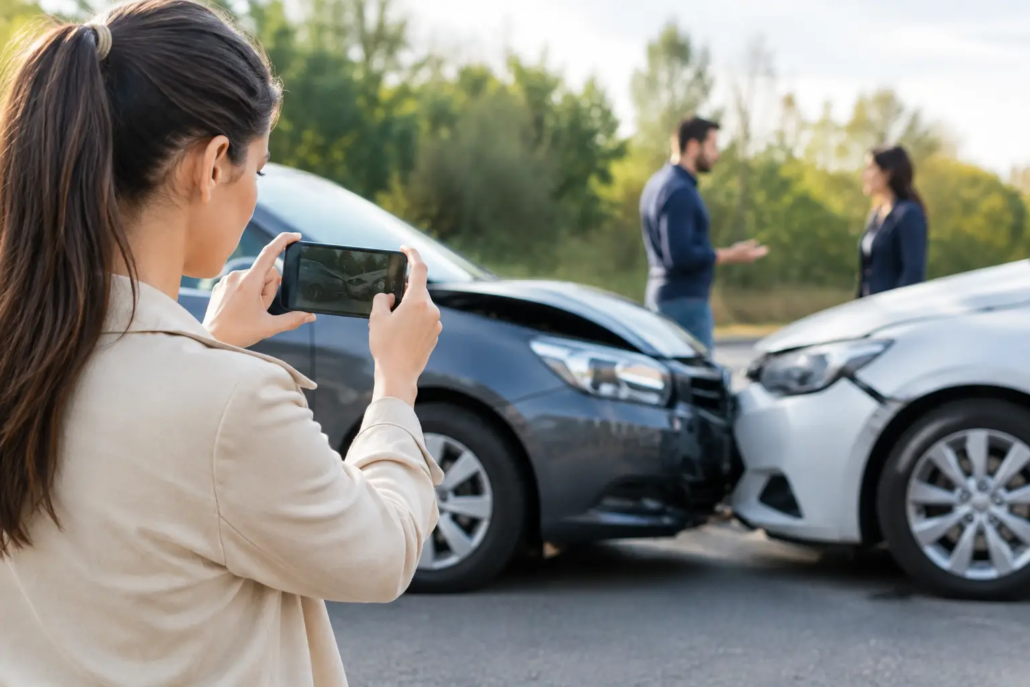
Accident Witness Tips That May Protect Your Claim
A stranger who saw the impact, the broken step, or the moments immediately afterward may hold information that no photograph can fully capture. These accident witness tips can help you preserve that information before people leave, memories fade, or an insurance company begins questioning what happened.
After an accident in New York, your first priority is safety and medical care. If you can safely speak with witnesses, however, a few calm, practical steps may make a meaningful difference later. The goal is not to build a case at the scene. It is to identify people with firsthand knowledge and preserve what they actually observed.
Why Independent Witnesses Matter
Insurance companies often examine injury claims for inconsistencies. They may argue that a driver was not at fault, that a dangerous condition was obvious, or that an injured person caused or exaggerated the incident. An independent witness can provide a perspective that does not come from either side of the dispute.
A witness may have seen a driver run a red light, look down at a phone, speed through traffic, or fail to yield in a crosswalk. In a fall case, a witness may have noticed liquid on a store floor, a loose handrail, poor lighting, or an employee being told about a hazard before someone got hurt. Even a witness who only saw the immediate aftermath can sometimes help establish the position of vehicles, the condition of the location, or what a person said at the scene.
That does not mean every witness will support your account. Honest witnesses can remember events differently, especially when an incident happened quickly. Their value often comes from independence and detail, not from agreeing with every part of your recollection.
Accident Witness Tips at the Scene
If you are physically able and the situation is safe, ask witnesses to stay until police arrive. Do not pressure anyone or argue about fault. A simple request works best: “Did you see what happened? Would you be willing to give your contact information to the police?”
If a witness cannot wait, ask for their full name, phone number, email address, and, if appropriate, home or work address. Confirm the spelling of their name and call or text their number while they are still present if they agree. A wrong digit can make a willing witness impossible to locate later.
It also helps to ask a short open-ended question, such as, “What did you see?” Write down their answer in your phone or make a voice note once you are out of danger. Do not put words in their mouth, suggest what they should say, or ask them to change their account. A witness statement is strongest when it is clearly their own.
For a vehicle crash, note where the witness was standing, walking, driving, or sitting when they saw the event. A person who watched from a nearby corner may have had a clear view of a traffic signal. Someone in a vehicle behind you may have seen what occurred in the seconds before impact. That context can matter when evaluating how much the witness could reasonably observe.
If there are several witnesses, collect information from each one. Do not assume police will obtain every name or that another person has already done it. Officers often must manage traffic, injuries, and immediate safety concerns. The official report is valuable, but it may not contain every witness account.
Put Safety Before Evidence
Do not remain in an active traffic lane, return to a dangerous sidewalk, or delay emergency care to speak with witnesses. If you have neck pain, dizziness, confusion, severe bleeding, chest pain, or difficulty moving, ask someone else to collect information or wait for emergency responders.
If you are a witness to an accident, call 911 when there is an injury, vehicle damage, a blocked roadway, or an immediate hazard. Give responders accurate facts: where the incident happened, whether anyone appears injured, and what you personally saw. Avoid guessing about speed, medical conditions, or legal fault if you do not know.
Photos and video can be useful, but only when taken safely. Images of vehicle positions, traffic signals, weather, debris, skid marks, broken pavement, spills, damaged clothing, and visible injuries may help preserve conditions that change quickly. In a premises accident, notify the property owner, manager, or employee and ask that an incident report be created. Request a copy if one is available, but do not sign a statement you do not understand.
What to Ask Witnesses Without Coaching Them
The best questions are straightforward and fact-based. Ask where the person was, what they noticed before the incident, what they saw happen, and what they observed afterward. If they heard a driver, employee, or property owner make a statement, ask them to describe the exact words as closely as they can remember.
Avoid asking questions framed around the answer you want. For example, “The driver was speeding, right?” invites agreement and can make an account look influenced. “Did you notice the speed of either vehicle?” is more neutral. The same approach applies after a fall. Instead of saying, “That floor was wet, wasn’t it?” ask, “What did you notice about the floor?”
Never offer payment, gifts, or favors in exchange for a statement. Do not post a witness’s personal information online. Treat witnesses respectfully and let them decide how much involvement they are comfortable with.
Preserve Details After You Leave
Memories become less precise with time. As soon as you can, write down your own account of the event. Include the date, time, location, weather, lighting, direction of travel, what you were doing immediately before the incident, what happened during it, and what occurred afterward. Add the names and contact details of witnesses, police officers, first responders, and business employees you spoke with.
Keep this record private and accurate. Do not revise it to make it sound stronger. If you remember something later, add a dated note rather than replacing your original recollection.
Save related materials in one place: photographs, videos, the police report number, incident report information, repair estimates, medical paperwork, and messages from insurers. In a crash, note whether nearby businesses, apartment buildings, transit vehicles, or private homes may have cameras. Video can be overwritten quickly, so identifying possible footage early can be critical.
Be careful about social media. A casual post can be misunderstood, taken out of context, or used by an insurer to challenge the seriousness of your injuries. It is generally wiser to keep the details of an active claim off public platforms.
When a Witness Does Not Want to Get Involved
Some people are willing to give a name but do not want to speak with an insurance adjuster or attorney. Others may leave before you can approach them. Do not confront or chase them. If possible, record a basic description, their vehicle make and plate number, or the direction they went, then provide that information to police.
A witness who initially seems reluctant may still respond later to a respectful request for factual information. An attorney may also be able to investigate available evidence, identify additional witnesses, and take steps to preserve testimony. Whether that is necessary depends on the facts, the severity of the injuries, the available physical evidence, and how strongly fault is disputed.
Be Careful With Insurance Company Requests
An insurance adjuster may contact you soon after an accident, sometimes before you know the full extent of your injuries. You can provide basic factual information, but be cautious about recorded statements, broad medical authorizations, or speculation about fault. You do not need to guess about what a witness saw, how fast a vehicle was moving, or whether you will recover quickly.
Witness information should be accurate, not strategic. Give your attorney the names, notes, and materials you collected so they can assess the evidence in context. An attorney can also help determine whether a witness statement should be obtained promptly, whether footage should be preserved, and whether an insurer is overlooking key facts.
Get Guidance Before Evidence Disappears
A serious accident can leave you managing appointments, missed work, pain, and calls from insurance companies at the same time. You should not have to figure out the evidence process alone while trying to heal. Neumann Law Group offers free consultations for injured people and is available 24/7 to discuss potential personal injury claims.
Speaking with a lawyer does not automatically create an attorney-client relationship, and each case depends on its specific facts. But acting early can give you a better chance to protect witness information before the people, records, and video that may explain what happened are gone.


Leave a Reply
Want to join the discussion?Feel free to contribute!