
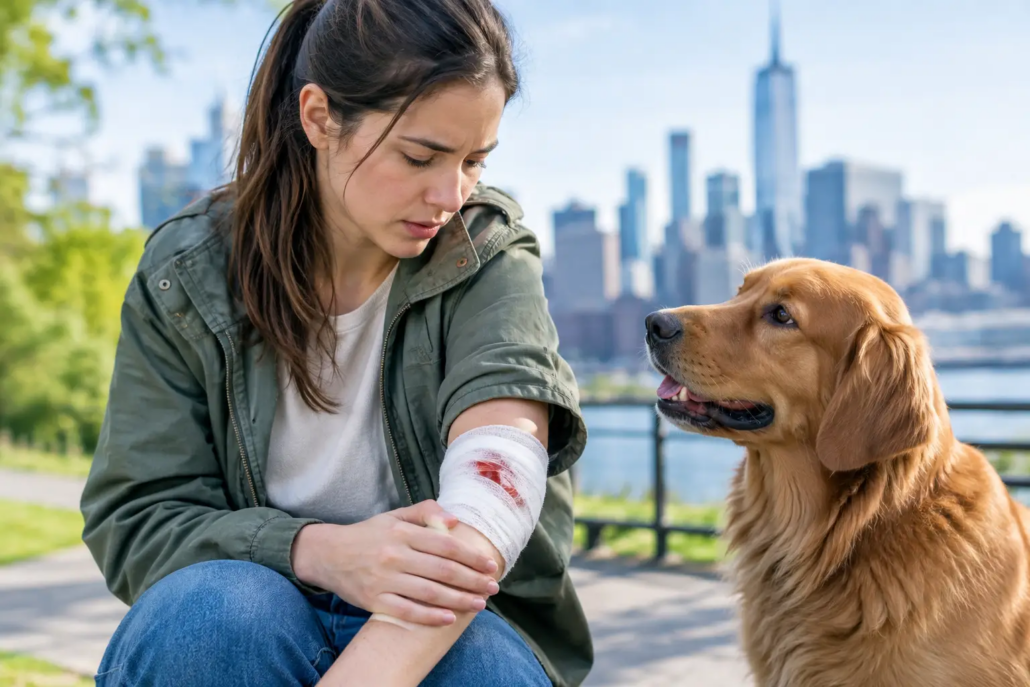
How to Handle a Dog Bite Injury in New York
A dog bite can turn an ordinary walk, visit, or delivery into a medical and financial emergency in seconds. Knowing how to handle dog bite injuries means acting quickly to protect your health, preserve the facts, and avoid letting an insurance company control the story before you understand your options.
Dog bites range from puncture wounds and torn skin to nerve damage, infections, scarring, and emotional trauma. Children are especially vulnerable, but adults can suffer serious injuries as well. Even a bite that appears minor at first deserves prompt attention.
Get Medical Care First
Your first priority is medical care. Wash the wound gently with soap and running water if you can do so safely, apply clean pressure to control bleeding, and seek urgent medical treatment. Deep punctures, bites to the face, hands, feet, or joints, uncontrolled bleeding, signs of infection, or any injury to a child may require emergency care.
Do not assume a small wound is harmless. Dog teeth can drive bacteria deep below the skin, where infection may develop after you have left the scene. A medical provider can assess whether you need stitches, antibiotics, a tetanus booster, rabies precautions, or referral to a specialist.
Follow the treatment plan and attend follow-up appointments. Medical records do more than document the injury for a potential claim. They create a clear record of your symptoms, treatment, restrictions, and recovery.
Identify the Dog and Its Owner
If you are able, get the owner’s name, address, telephone number, and homeowner’s or renter’s insurance information. Ask whether the dog has current rabies vaccinations, but do not argue with the owner or put yourself near the dog again.
If the bite occurred at an apartment building, store, dog park, or another business property, report it to a manager or employee and ask for an incident report. If a neighbor saw what happened, obtain that person’s name and contact information. Witnesses can be especially valuable when the owner later claims the dog was provoked or the bite did not happen as described.
When the owner is unknown or leaves the scene, contact local law enforcement or animal control as soon as possible. Officials may be able to identify the dog, investigate vaccination status, and create a report that helps establish the basic facts.
Document What Happened Before Details Fade
Photos and contemporaneous notes can make a meaningful difference after a dog bite. Take photographs of the injury before treatment if possible, then continue taking pictures during the healing process. Photograph torn or bloody clothing, the location of the attack, the dog from a safe distance, gates or broken fences, warning signs, and anything else that may show how the incident occurred.
Write down what you remember while it is fresh: the date, time, location, what you were doing, where the dog came from, whether it was leashed, what the owner said, and whether anyone saw the bite. Save texts, emails, voicemail messages, bills, receipts, and notices from insurers.
Avoid posting photos or detailed accounts of the incident on social media. Insurers and defense lawyers may take a casual post out of context and use it to question the severity of your injuries or your version of events.
How to Handle Dog Bite Claims in New York
New York dog bite cases can be more complicated than people expect. A common belief is that a dog’s owner automatically pays whenever the dog bites someone. The actual legal analysis often depends on the dog’s history, the owner’s knowledge, how the bite happened, the injuries involved, and other facts.
In many New York cases, an injured person may need evidence that the owner knew or should have known the dog had dangerous or vicious tendencies. Prior bites, lunging, snapping, aggressive behavior, complaints from neighbors, prior animal-control reports, or warnings from the owner can all be relevant. A dog does not necessarily need to have bitten someone before for its dangerous behavior to matter.
Other circumstances may create separate questions about negligence. For example, the facts may involve a landlord who knew of a dangerous dog, a business that allowed an unsafe situation, or a person who violated a local leash rule. The available legal claims depend on the evidence and the law that applies to the specific incident.
This is why it helps to avoid accepting an owner’s explanation at face value. An owner may say, “He has never done that before,” while neighbors, delivery workers, veterinary records, prior complaints, or animal-control records tell a different story.
Be Careful With Insurance Adjusters
The dog owner’s homeowners or renters insurance may cover a bite claim, although policies and exclusions differ. An adjuster may contact you soon after the incident and sound sympathetic. You can provide basic identifying information, but be cautious about recorded statements, broad medical releases, and quick settlement offers.
A fast offer may arrive before the full extent of your injury is known. That is particularly risky when the bite causes infection, permanent scarring, nerve damage, surgery, counseling needs, or missed time from work. Once you sign a release, you may give up the right to seek more money later, even if your condition worsens.
Keep track of all losses connected to the bite. These can include emergency treatment, follow-up visits, medication, plastic surgery consultations, therapy, lost income, transportation to appointments, and damage to clothing or personal property. Pain, visible scarring, and the psychological impact of an attack may also be significant parts of the harm you have experienced.
Do Not Assume You Have No Case Because of the Circumstances
People often hesitate to pursue a claim because the dog belonged to a friend, neighbor, or family member. In many situations, the practical claim is against an insurance policy rather than the person’s personal assets. You can care about a relationship and still need help paying medical bills caused by an avoidable injury.
You may also worry that you were partly at fault because you were visiting the property, walking past a house, or trying to pet the dog. Those facts can matter, but they do not automatically end a case. Whether a person provoked a dog, ignored a warning, trespassed, or had another role in the event is highly fact-specific.
Parents should be especially cautious about settling a child’s claim too early. A child’s scars can change as they grow, and the emotional effect of an animal attack may not be clear immediately. Legal procedures involving minors have additional requirements, so individualized advice is essential.
Speak With a Dog Bite Injury Lawyer Promptly
Prompt legal guidance can help preserve evidence that may otherwise disappear. An attorney can investigate the dog’s prior behavior, request available reports, identify insurance coverage, communicate with adjusters, and evaluate whether other parties may be responsible. Waiting can make it harder to locate witnesses, obtain video footage, or document the condition of the injury.
Neumann Law Group offers free consultations for injured people who need straightforward answers about a potential New York personal injury claim. The firm is available 24/7 and can discuss the facts of a dog bite injury and the next practical steps. Contacting a lawyer for information does not by itself create an attorney-client relationship.
You do not need to decide everything while you are in pain or worried about medical bills. Get treatment, preserve what you can, and ask questions before signing away your rights. A dog bite may be over in moments, but protecting your health and your ability to recover can start with the actions you take that same day.


Leave a Reply
Want to join the discussion?Feel free to contribute!