
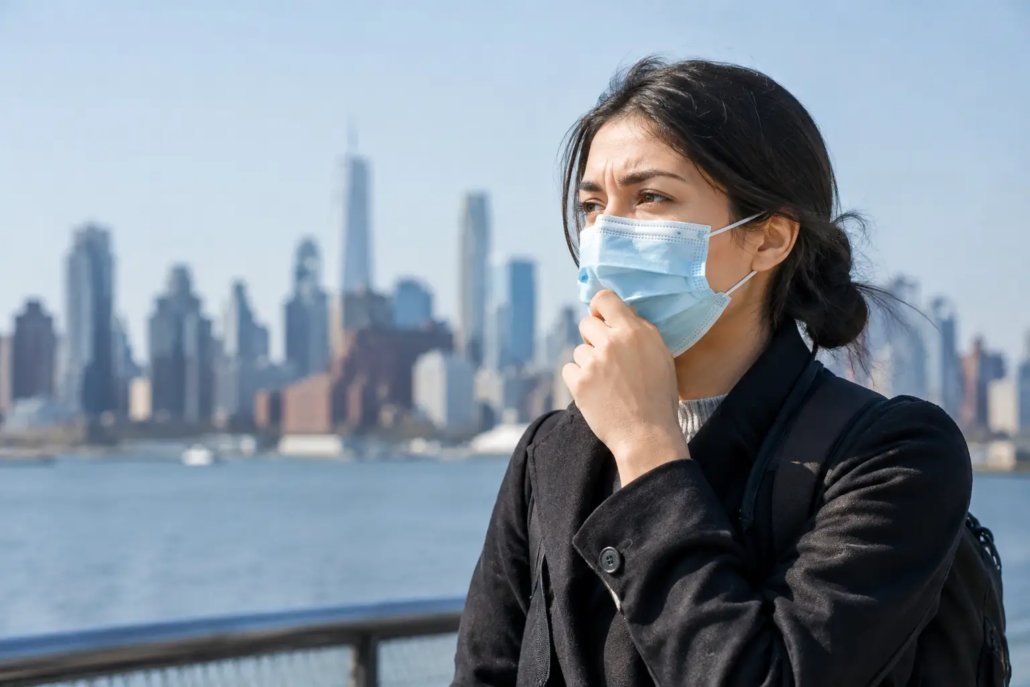
Toxic Exposure: What Injured New Yorkers Can Do
A chemical odor in an apartment hallway, dust drifting from a worksite, contaminated water, or repeated contact with an industrial cleaner can become more than an unpleasant experience. Toxic exposure may cause immediate symptoms, delayed illness, missed work, and mounting medical bills. For injured New Yorkers, the first priorities are getting appropriate medical care, preserving evidence, and understanding whether another party may be responsible.
The legal side of a toxic exposure case can be difficult because the harm is not always visible and the source is not always obvious. A landlord, employer, property owner, product manufacturer, contractor, or another party may deny that a dangerous substance was present or argue that it did not cause the illness. Prompt action can make a meaningful difference.
What Counts as Toxic Exposure?
Toxic exposure occurs when a person comes into contact with a substance that can harm health. Exposure may happen through breathing fumes or dust, swallowing contaminated food or water, skin contact, or repeated contact over time. The setting matters, but so does the substance, the level of exposure, and a person’s underlying health.
In New York, potential exposure incidents may arise in homes, apartment buildings, schools, offices, construction sites, factories, hospitals, restaurants, and public spaces. Common concerns include carbon monoxide, lead, asbestos, mold, pesticides, cleaning chemicals, solvents, fuel vapors, silica dust, and defective consumer products. Not every odor or environmental condition creates a viable personal injury claim. The central question is whether exposure caused a real injury and whether someone else failed to use reasonable care or violated a duty imposed by law.
Some exposures produce fast, unmistakable symptoms. Carbon monoxide can cause headache, dizziness, nausea, confusion, and loss of consciousness. Chemical fumes may trigger burning eyes, breathing problems, or skin irritation. Other conditions, including certain respiratory illnesses and diseases associated with long-term occupational exposure, can take months or years to develop. That delay does not necessarily eliminate a claim, but it can make documentation especially valuable.
Signs You Should Take Seriously
Symptoms should be evaluated by a medical professional, particularly after a known chemical release, fire, workplace incident, or prolonged exposure in a building. Emergency care may be necessary for trouble breathing, chest pain, severe confusion, fainting, seizures, burns, or sudden neurological symptoms.
Less dramatic symptoms can still matter when they persist or occur in a recognizable pattern. For example, headaches, coughing, wheezing, rashes, nausea, eye irritation, fatigue, or dizziness that improve when you leave a specific apartment or workplace may help doctors identify a possible environmental cause. Do not assume the issue is minor simply because symptoms come and go.
Tell your medical provider where you were, what you smelled or touched, when symptoms began, and whether others experienced similar problems. This information can guide treatment and create a medical record connecting your condition to the incident. Be accurate. Avoid guessing about a chemical or diagnosis that has not been confirmed.
Steps to Take After a Suspected Toxic Exposure
Medical care comes first. Follow the treatment plan, keep appointments, and retain records of diagnoses, prescriptions, testing, referrals, and out-of-pocket expenses. If you believe you are in immediate danger, leave the area if you can do so safely and call emergency services.
Next, report the condition to the person or organization responsible for the premises or worksite. A tenant may notify a landlord or management company in writing. An employee may report the incident through the employer’s established process and notify a supervisor. A report creates a record, but keep a copy for yourself rather than relying on someone else to preserve it.
Evidence can disappear quickly. Take dated photographs or video of visible conditions, such as water damage, peeling paint, damaged ventilation, debris, containers, warning labels, or a work area. Save emails, text messages, maintenance requests, incident reports, inspection notices, and communications from neighbors or coworkers. Write down the dates, times, locations, and names of people who witnessed the event or complained about similar symptoms.
If clothing, packaging, or another item may be relevant, do not alter, discard, or clean it without first considering whether it could be evidence. Safety comes before preservation, particularly if an item remains hazardous. A lawyer can help determine what should be documented and whether experts or testing may be needed.
Why Toxic Exposure Claims Are Different
Many injury cases turn on a single event, such as a car crash. Toxic exposure claims often require a more detailed investigation. The injured person may need to establish what substance was involved, how the exposure occurred, how long it lasted, who controlled the location or product, and whether the exposure caused the diagnosed condition.
Medical records are critical, but they are only part of the picture. Building records, workplace safety documents, inspection reports, product information, prior complaints, air-quality testing, and witness statements may all become relevant. In some cases, scientific and medical experts are needed to explain causation. This can make these claims more expensive and time-consuming than a straightforward injury case.
There can also be more than one legal path. A worker injured on the job may have a workers’ compensation claim, while a negligent contractor, property owner, equipment maker, or other third party could potentially be liable in a separate claim. A tenant may have claims related to unsafe housing conditions. A consumer harmed by a defective product may have a product liability claim. The facts determine which options are available.
Deadlines and Insurance Pressure
New York law imposes deadlines for filing injury lawsuits, and the applicable deadline can vary based on the type of claim and the parties involved. Claims involving government entities may require a notice of claim on a much shorter timeline. Delayed symptoms can add another layer of complexity. Waiting to seek legal advice may make it harder to locate records, identify witnesses, or protect your rights.
Insurance companies and corporate representatives may contact an injured person soon after an incident. They may request a recorded statement, broad medical authorization, or quick settlement. A fast offer can feel helpful when bills are accumulating, but it may not account for future treatment, lost earning capacity, or a condition that has not fully developed. You do not need to make decisions before you understand the scope of your injuries.
When to Speak With a New York Injury Lawyer
Consider speaking with an attorney if you needed medical treatment, missed work, were hospitalized, have ongoing symptoms, believe a landlord or employer ignored prior warnings, or suspect a product or property condition caused your illness. A lawyer can evaluate available evidence, identify potentially responsible parties, communicate with insurers, and explain the practical strengths and limits of a possible case.
Neumann Law Group offers free consultations for people dealing with personal injury concerns in New York. An attorney-led evaluation can help clarify next steps without requiring you to sort through the legal questions alone. Calling or submitting an inquiry does not create an attorney-client relationship.
You do not need to prove every detail before asking for help. Start with your health, preserve what you can, and keep a clear record of what happened. When toxic exposure disrupts your life, timely medical attention and informed legal guidance can help you move forward with greater confidence.


Leave a Reply
Want to join the discussion?Feel free to contribute!